
Witchcraft and Rot in La Cieneguilla
— by Billiam Rodgers
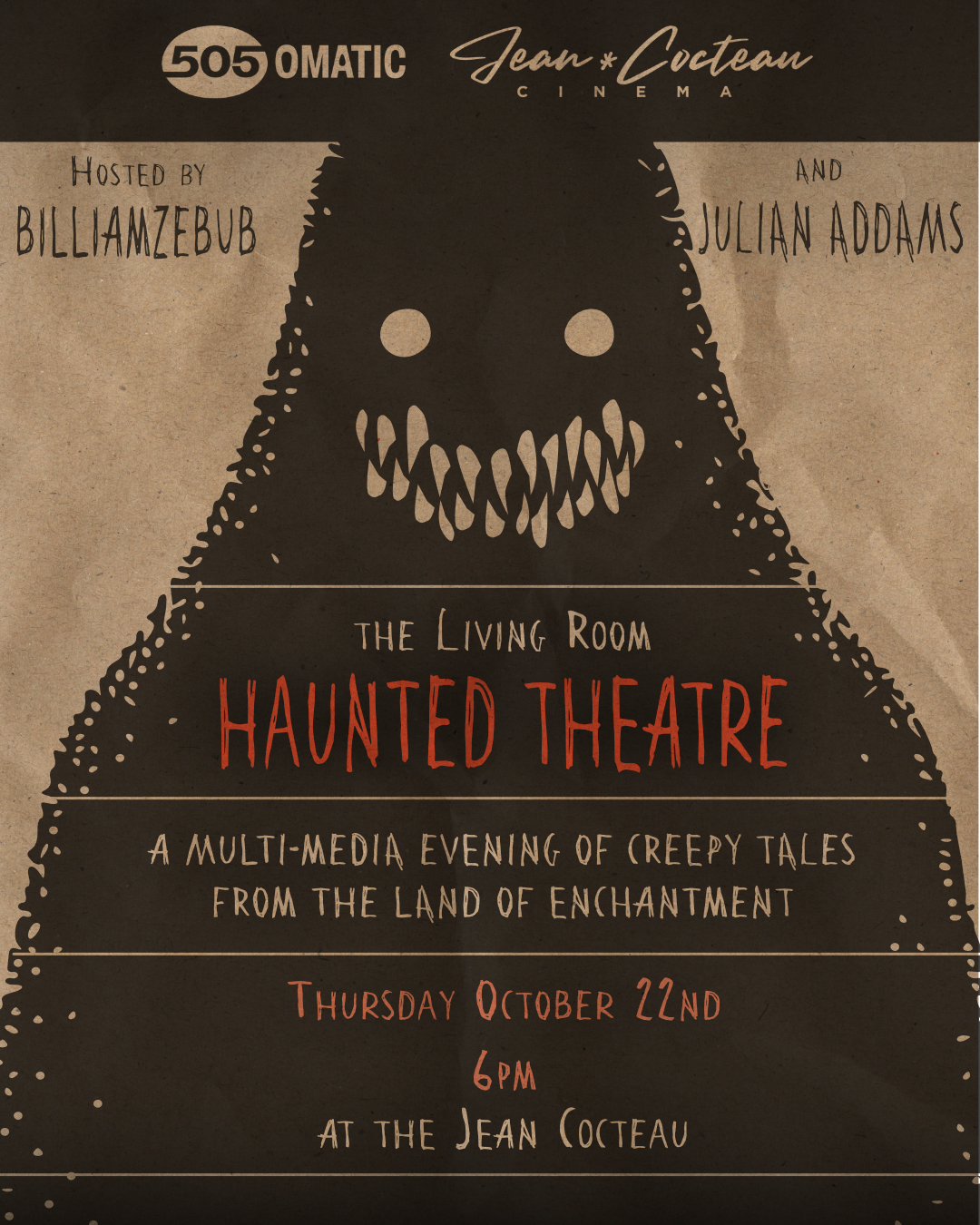
This is part of a 505OMATIC series of scary New Mexico stories for Halloween. You can catch our LIVING “DEAD” ROOM live show at 6 p.m. Thursday, Oct. 22nd at the Jean Cocteau Cinema in Santa Fe.The show is $10 suggested donation. We will read or play audio recordings of “true” scary stories we've collected from our audience. To submit your story, please email text or send a voice memo to editor@505omatic.com with “Halloween” in the subject line.
I appreciate when a gift shop has a book of local ghost stories.
They're like history-candy to me, so of course when I took my in-laws to Greer Garson’s mansion in San Miguel County and found the excellent “Witchcraft in the Southwest” by Marc Simmons sitting on the gift shop’s bookshelf I bought it on sight.
His book is a local history of witch myth in New Mexico. More than simply being a collection of scary stories, he shows how these myths were true to the people who heard them. Because of that these stories had real-world consequences: murders, witch hunts, inquisitions that were aborted only by threat of violence, and more than one pompous aristocrat who met an untimely end at the hands of a mob by dressing “like a wizard.”
These are tall tales with a much higher body count than Pecos Bill.
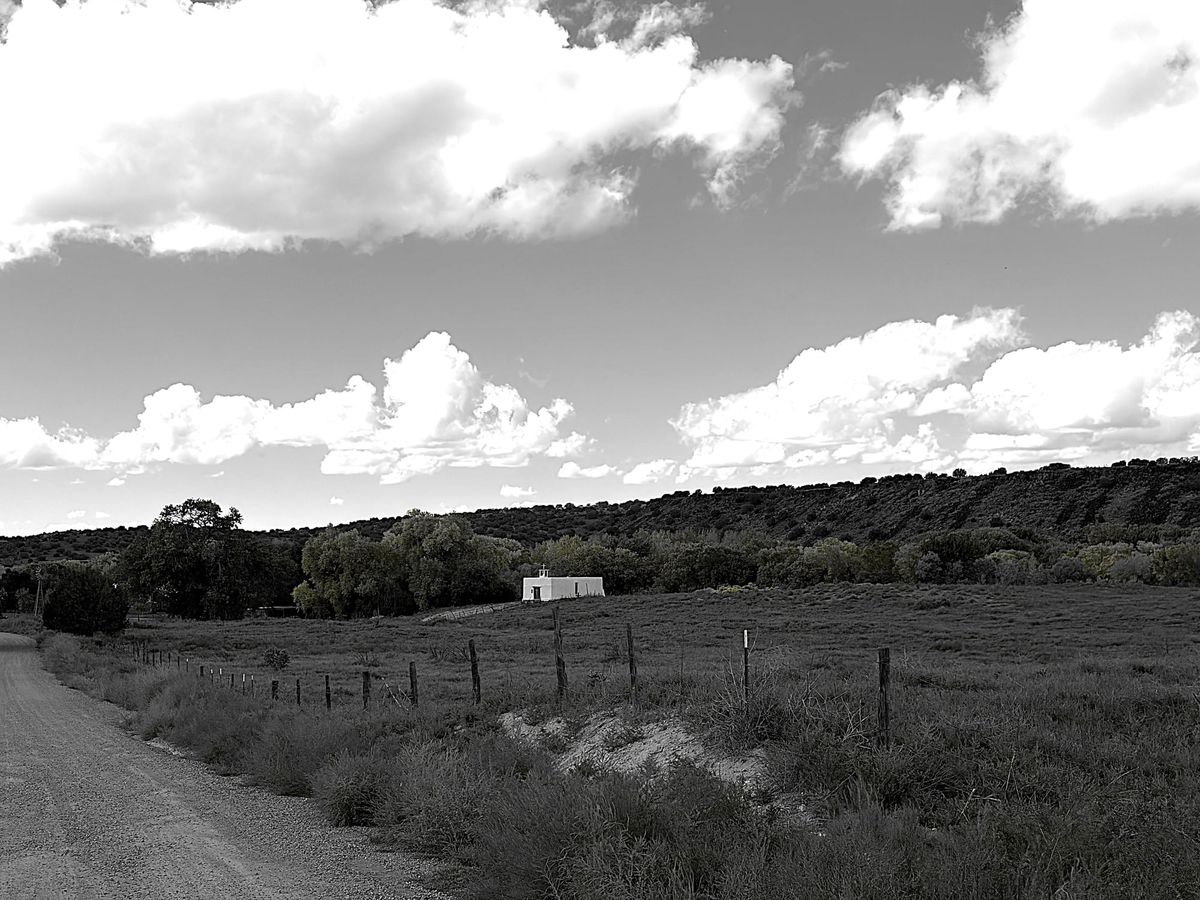
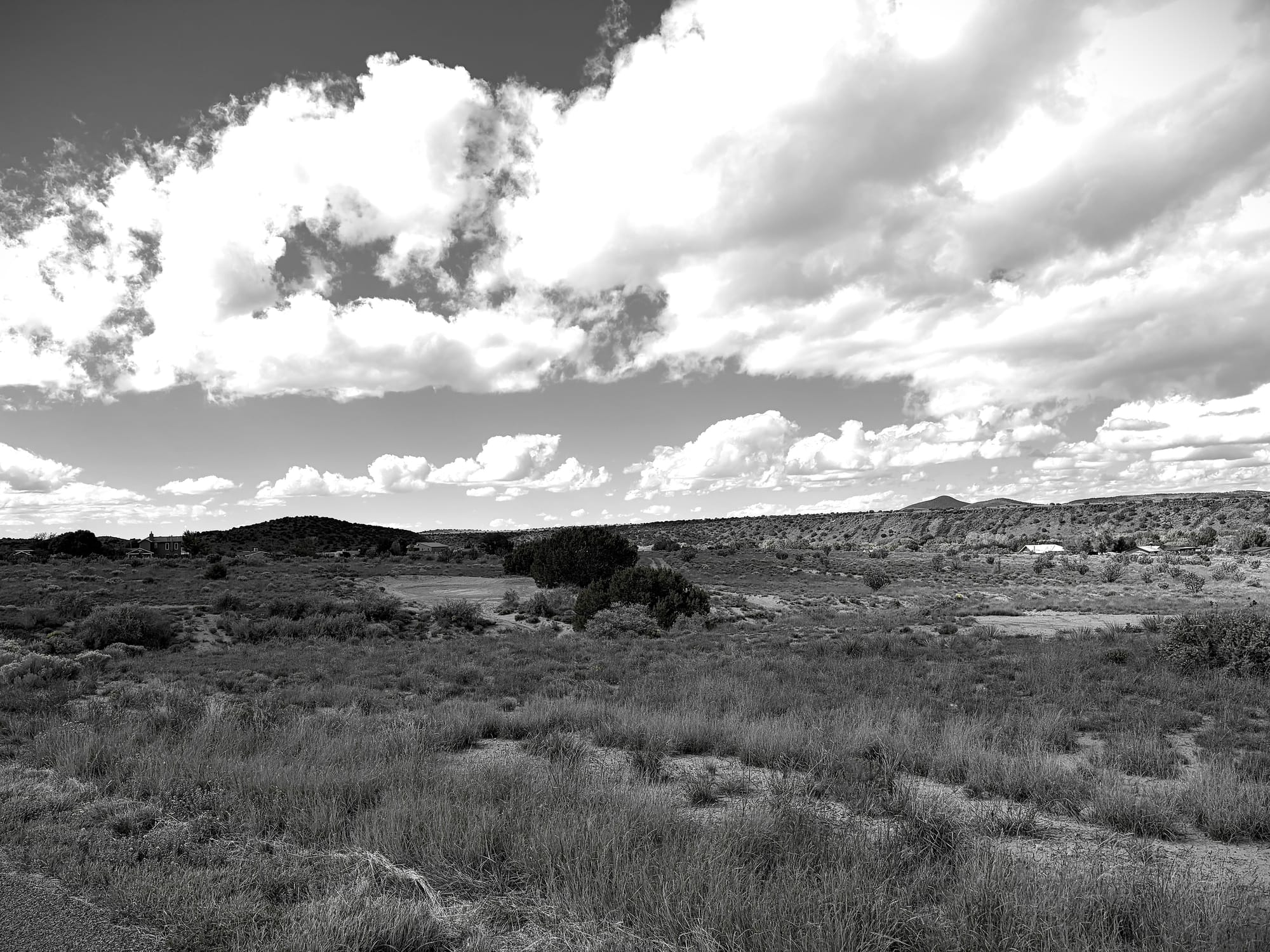
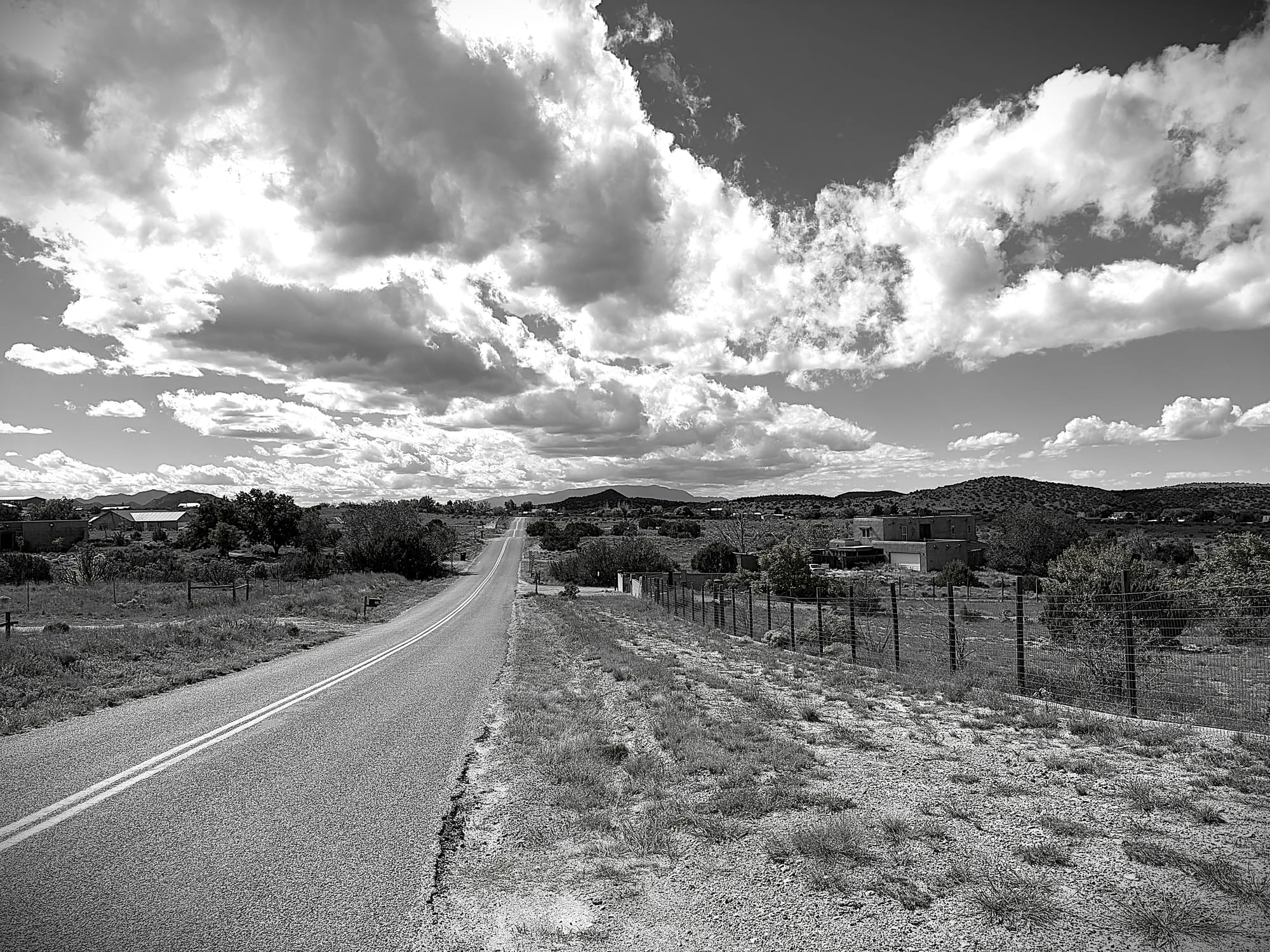
I was reading Simmons’ book late one Fall night when his narrative rolled into a legend from La Cieneguilla, my neighborhood which is one of the oldest colonial sites in the state and home to the Keres Pueblo long before. This stopped me cold because people insist La Cieneguilla is haunted as hell. People have told me about shrouded figures they saw floating many feet above the arroyo at night. A friend of mine (who always saw spirits though she tried to be blasé about it) told me she saw a pale woman walk out of my house one night and follow her car as she left.
This story takes place at the beginning of colonial La Cieneguilla, at the hacienda of a Spanish colonist. I’m presenting this close to how Marc wrote it, but I’m embellishing a bit for drama. As with any story, especially centuries-old ones rooted in colonialism, we might clock some harmful tropes in here, but let’s just observe those for now because this story is a banger.
It goes like this…
One morning the colonist's wife was sick in bed. Over the days that followed, she grew more lethargic and run-down. Worse: she started to develop a skin condition. What started out as a nasty-looking, kiss-sized boil on her cheek quickly grew in size over the next several days to become a sucking, necrotic lesion the size of a fist. She was certainly dying, but it was clear to her husband that she would rot first.
Desperate, he went into the village and sent word to the Pueblo seeking some help, any help, for his wife.
Here’s where the tropes start. You’re going to start picking up on things that will raise an eyebrow. Remember that if you clock some hinky undertones in here, the people who originally heard it certainly would have, too.
A man from the Pueblo offered his help as a healer. He would spend three days, alone, with the woman at her sick bed. It was imperative that NO ONE, not even her husband, enter the room while the ceremony was taking place. At the end of the three days, the healer promised, she would be cured and the person "who put this sickness upon her" would reveal themselves.
As an aside, I think the qualifications for this ceremony are interesting in a magical frame. A common theme in magic is giving something up in order to get a bigger reward. With witchcraft of the superstitious "witch panic" variety, the more egregious the ritual (infanticide, for example), the more power the ritual has. The colonist and his wife are doing something similar (within the problematic tropes of this story, remember). They are not only trusting this man, they are breaking a taboo both in marriage and within the social confines of a colonial setting. They have to risk something or else the magic won’t work.
The Pueblo man began his work. The conquistador locked the healer in a room with his wife and paced the rooms of his hacienda, nervously glancing out of the window at passing villagers as he remembered the promise that on the third day the person responsible for his wife's illness would reveal themselves.
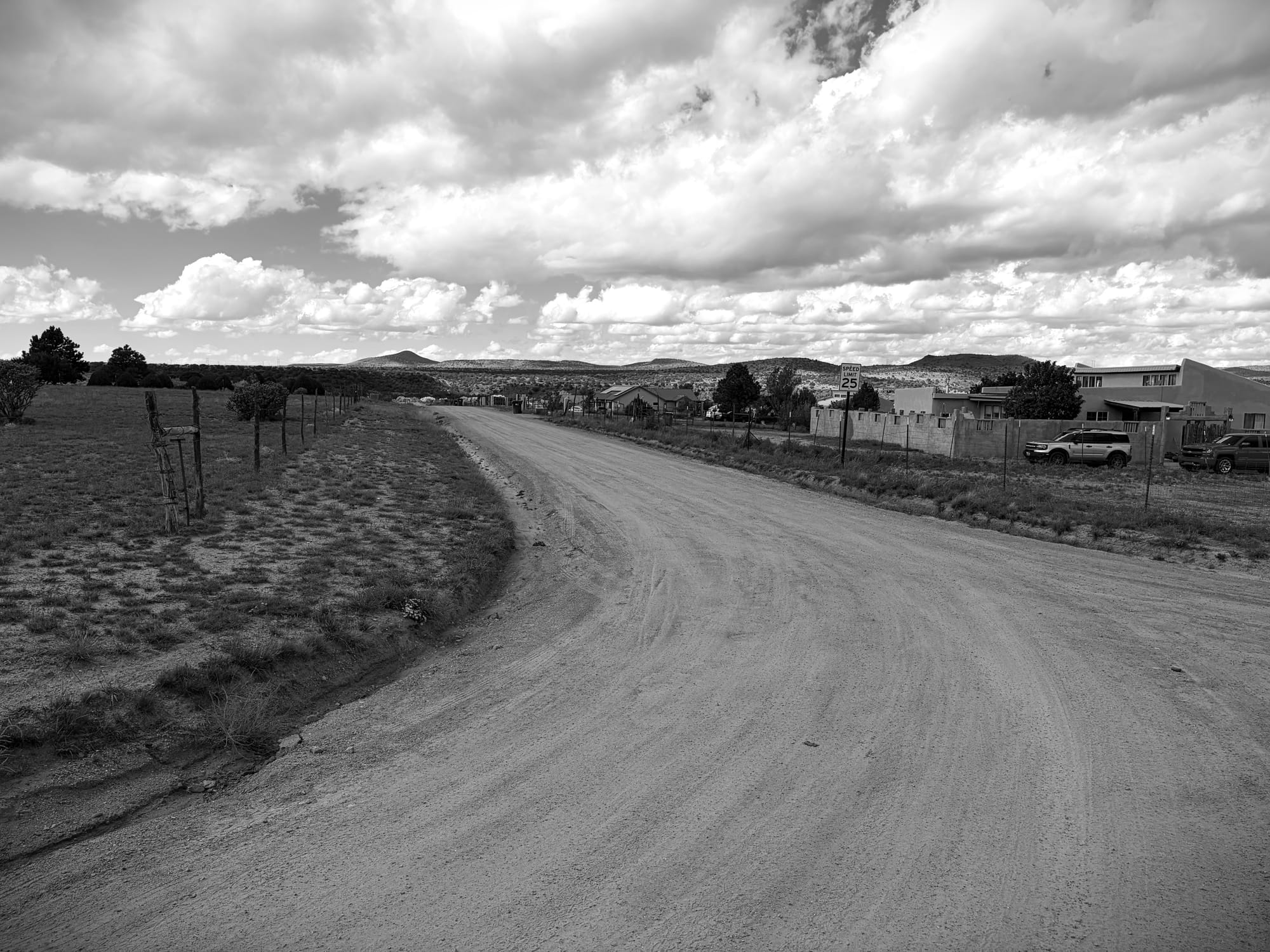
Early on the third day, before anyone else in the village was awake, the colonist saw a lonely old woman from the village walking down the road toward his home.
Walking? It seemed more like an invisible force was dragging her by the arm.
The strange woman stopped, abruptly, at the gate of the hacienda. Then, as though she were fighting it, her arm raised. The colonist saw her straining to stop what happened next. But she wasn’t strong enough. Her hand reached out on its own and her fingertips touched his gate.
She pulled her hand away as though she had touched a hot stove. Then, in control of herself again, she hurried away.
That was the sign he was looking for. The colonist ran to his wife’s bedside. The healer had cured her. Her lesion was gone.
But what of the strange woman who stopped at the gate? The colonist rallied some villagers and led them to her home.
They knocked. No answer.
They pounded at the door. Nothing.
So they kicked the door down.
It was eerily quiet in the stranger's home, though for horror effect I like to imagine they heard some wet rasping noises coming from a dark corner. They saw a shape trundled under a sack. They ripped the sack away, preparing to arrest the witch.
But anything human —let alone familiar— about the old woman was gone. Underneath the sack was a wet, stinking mass of rot that had once been the witch. Whatever she had been doing, for whatever reason, had backfired upon her with putrescent alacrity.
The man and his wife lived happily ever after. Or something. I’m not sure how anyone would after that.
A goal of “The Living Dead Room” is to think about old New Mexico folklore and ask ourselves if anything sets it apart from other places in the country. Is there anything qualitatively different about our witches as opposed to Salem’s?
I have some thoughts.
New Mexico witch lore runs directly parallel to places like Salem, Mass. from approximately the same time period. And though the Southwest never attained the notoriety of Salem’s witch hunt, Simmons shows that our witch manias (plural, multiple) are arguably darker, bloodier, more uncanny, more political and lasted orders of magnitude longer than New England’s. For example, as late as the 1950s in Española one woman was dragged from her home and beaten on suspicion of being in league with the devil (w2g Española).
Witch hunts are superstitious and ignorant, but the things that cause them are complex, beguiling. Santa Fe’s witches are not so different from Salem’s because there are patterns each share: they start in hardships like plague or famine, colonial anxiety and xenophobia, small-town drama, sexism and sexual repression, theocratic control, or sinister memes that pass between people like a virus, mutating when they cross a new cultural or religious barrier. Like Salem, you’re able to see the places where these stories occurred— gothic-vibed haciendas or ancient Pueblo ruins. In both cases, these are not just stories but stories that had horrifying impacts in the real world. Too often while reading Simmons’ book I was left wondering how much of what I was reading was legend, or legend created post-hoc as an excuse to make an inconvenient or unliked person disappear.
A stark difference between Santa Fe and Salem’s witches is a focus on body horror, or body mutability. Like the story I wrote about today, there are significantly more stories about sorcerers swapping their eyes out with a cat’s, body parts that are as easily removed as they are to go missing later, or heads babbling in insane voices as they roll down the street. There are many stories about hunters (or drunks with rifles, I assume) shooting a strange animal in the forest only to see a familiar, but hated old villager walking with a limp the next day. And, of course, we all know legends about shape-shifting magicians who everyone emphatically tells me should never be named.
I’d offer body horror and mutability as just two themes that are “unique” to New Mexico scary stories. In one bloody invasion more than 400 years ago, culture and society here were transformed forever. These mutations are captured in land and architecture, ringed by the cones of extinct volcanoes. Churches have windows in the floorboards so you can see ancient kivas underneath. I can see the old Pueblo from the road as I drive my very Santa Fe Subaru to work. Today, oil and gas companies drill into the earth, creating oil patch wastelands where the air will kill you. Climate change wildfires consume our old forests every year, driving wild predators into our neighborhoods where they are hunted by helicopters. We are currently fighting an invasion of AI data centers that promise to take our jobs, guzzle every last drop of our water, and create endless mechanical howling noises under rainless skies. Transformation, however grotesque, will leave a mark on the land forever.
Change is the only thing that doesn’t change. And it’s coming to eat your face.
Happy Halloween...
Again, please attend THE LIVING “DEAD” ROOM, a Halloween show, by 505OMATIC at 6 p.m. Thursday, Oct. 22nd. Suggested donation: $10. Our panelists will include horror and folklore experts. There will be a red carpet entrance for people wearing frightful fashions where you can be photographed by 505-OFASHION.
If you would like to submit your story for us to present on stage please write an email or send a brief voice memo to editor@505omatic.com with the subject line: “Halloween.”