LGBTQIA+ / Queer Folks
From Gay to LGBTQ to Queer, and more Burque History
from Your Friendly Neighborhood Non-binary Reporter Julian
We've been loving the enthusiastic response to our Queer Series including some fantastic questions from our viewers. Specifically, some folks messaged us about the outdated usage of GLBT in our story about 50 Years of Pride and we heard you!
In this blog, I’m going to cover the history behind those letters and their order, document additional groundbreaking firsts New Mexico lead the world with, and discuss why the terms we use matter. In addition to what we're doing with our Queer Series, a discussion of the terms we use to define ourselves came up in the greater zeitgeist ("Why are America's largest newspapers stigmatizing queer people?") and we're taking that opportunity to expand on why our history must influence our future.
As an elder queer, not only have I been greatly heartened by the advances we’ve made as a society toward acceptance of non-heteronormative folks, I’ve also been surprised by the culture shift which has created an environment where you can find your authentic self, find folks who will accept you, and not be aware of any of the history or culture that created that environment. It has been exhilarating working with 505OMATIC to share some of those histories with everyone. Queer history is part of New Mexican history, and that history extends before the formation of our state.
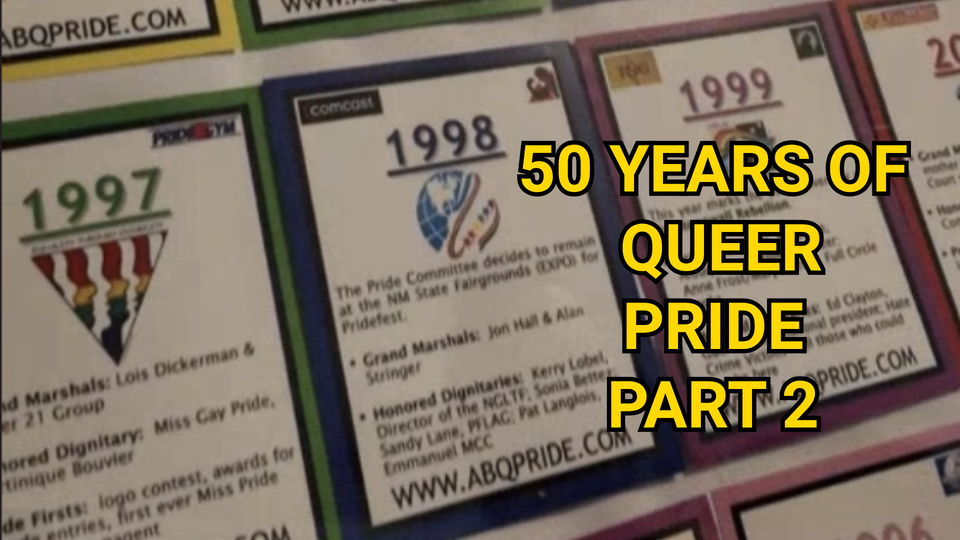
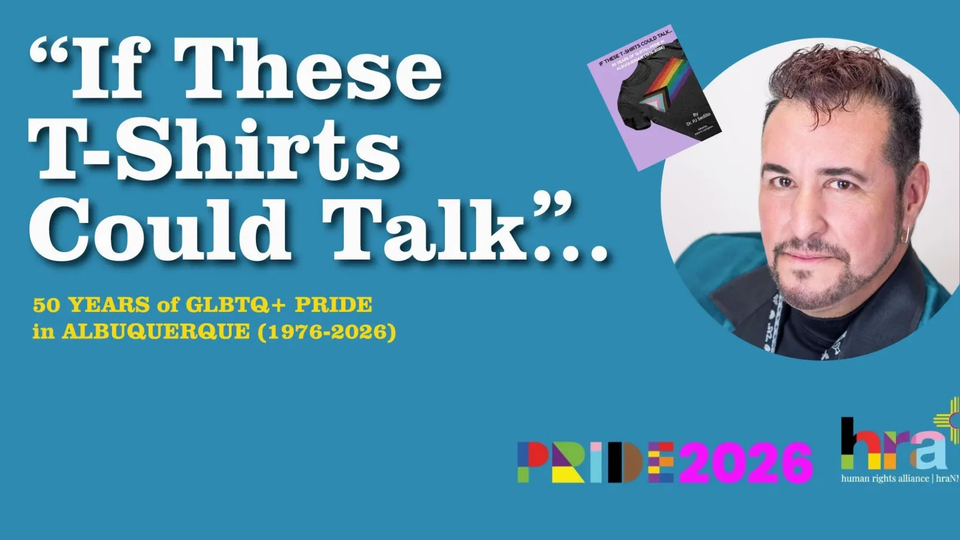
We joined historian and educator Dr. PJ Sedillo to talk about the Pride Archives, his books, and queer history in New Mexico. In the two stories we shared last month, a wealth of information was trimmed to get to the meat of the (at the time) upcoming events, and we had some fantastic follow-up questions from our viewers.
LGBTQ+ vs GLBT
The most questions we received after the story “50 Years of Tees” regarded the acronyms that we choose to identify ourselves with. In our extended interview, Dr. Sedillo expanded on why he uses GLBT instead of LGBT in his first book, “Solidarity Through Pride,” which covered the first 40 years of public Pride celebrations in Albuquerque.
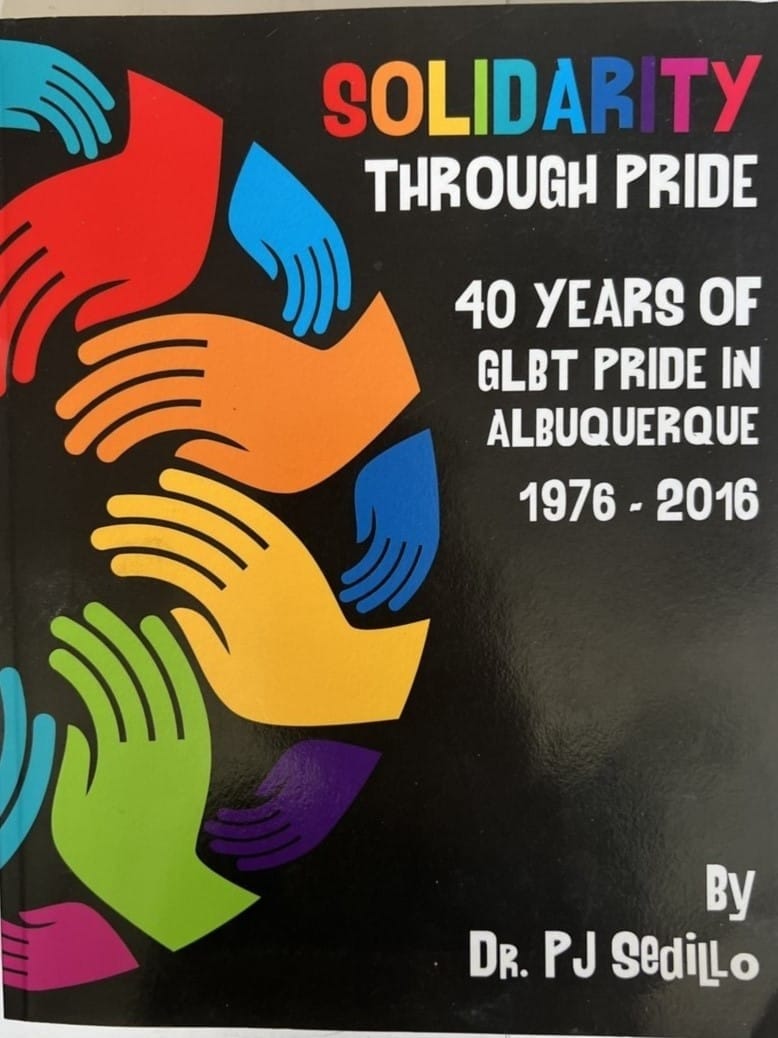
I use GLBT, because before the AIDS epidemic (we used GLBT). Most of the gay men were dying and I was going to a funeral probably once a week, sometimes twice a week in the '80s and '90s. The lesbian community took the lead, kept our community together. And to honor that fact organizations then, after the '90s, were changed from GLB to LGB.
People were afraid and uncertain during what was called the Plague, or initially GRID (Gay-Related Immune Deficiency). Many people, including medical professionals and immediate family members, refused to treat or even touch folks who were diagnosed with what would eventually be called HIV (Human Immunodeficiency Virus). Even though there had been somewhat of a divide between the gay and lesbian subcultures before the Plague, queer women came forward in droves to help care for the sick and dying men who were abandoned by their families and the system.
The “gay movement” was largely male and frankly, white cisgender men focused. This global change to LGBT/LGBTQIA+ in honor of the women who came forward to protect the greater community was a refreshing change to say the least, and started to crack the veneer of gay culture being focused on only one aspect of a much greater diverse population. Still, heteronormative society encouraged people to “pass,” “fit in,” or “be accepted.” Phrases like “be one of the good ones” echoed through halls just as it had years before as the Civil Rights movement was building momentum.
Throughout the years, further updates have been made to the vernacular. Both locally, nationally, and internationally, though keeping that “L” at the front of the Alphabet Mafia acronym has remained consistent for most groups and organizations. ("Alphabet Mafia" is playful slang embraced by many that covers anyone under the LGBTQIAA+ “Lesbian, Gay, Bisexual, Transgender, Queer, Intersex, Asexual, Androgynous, Plus” umbrella.)
Queer vs LGBT+
Recently, the conversation of queer vs LGBT+ made its way to the New York Times opinion pages in a paywalled guest essay titled “I'm Not Queer. I'm Gay. It Matters.” Matthew Vines, who wrote the book “God and the Gay Christian,” wrote about his experience, and myriad folks have responded to his essay by questioning the merits of homogeneity when that is not what many of us seek, nor is that truly equality.
Vines wrote in his essay:
Watching committed same-sex couples be welcomed into the institution of marriage transformed my sense of self-worth, allowing me to envision for the first time a dignified future as an openly gay person.
For some folks, like Vines, being able to marry and have that basic right recognized by their government was enough to feel like they fit in. For myriad others, we do not feel it is undignified to live without such expectations.
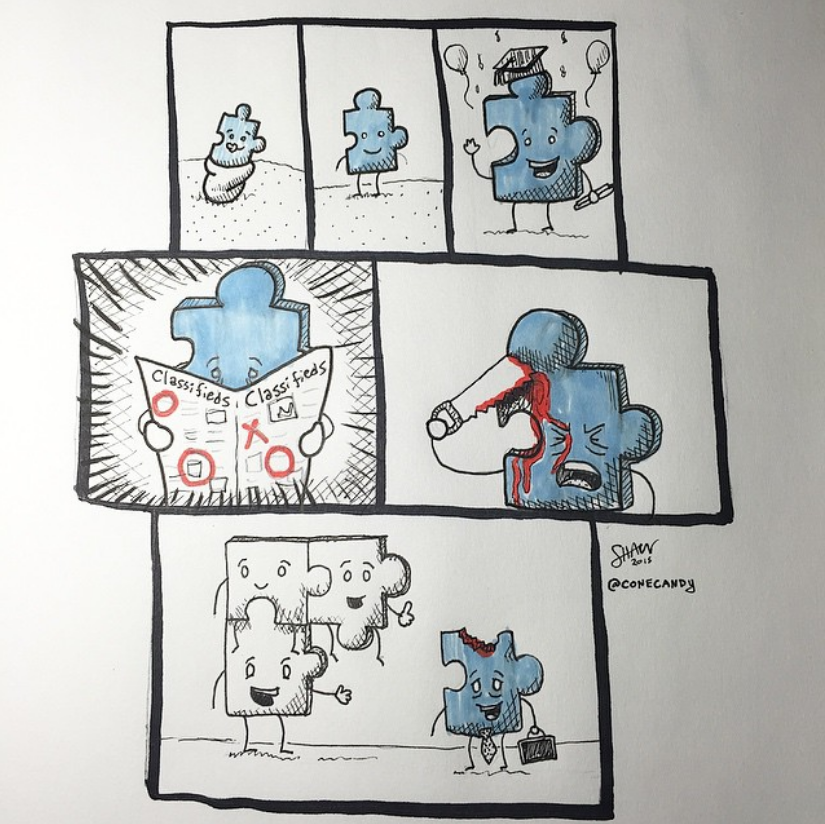
While no queer person is a monolith, many of us are not here to “fit in” or “blend in.” Many of us, myself included, are here to live authentically, and that doesn’t necessarily include any heteronormative versions of relationship standards. Embracing consent culture includes rejecting problematic assumptions about being in relationships. For some folks, intentional rejection of capitalist concepts (like transactional relationships) and the relationship escalator are integral to how they engage in relationships.
While many queer folks are actively engaged in consensual relationships that include creating family structures that appear outwardly nuclear, the differences are frequently in their negotiation, active communication, and overall goals.
Spousal Benefits & Marriage Equality: New Mexico Blazed a Trail
The fight for equality is not new, and the changes that have been positive are quite recent, and in some cases they are also under threat.
Back to the fabulous Dr. Sedillo for a little more New Mexican history:
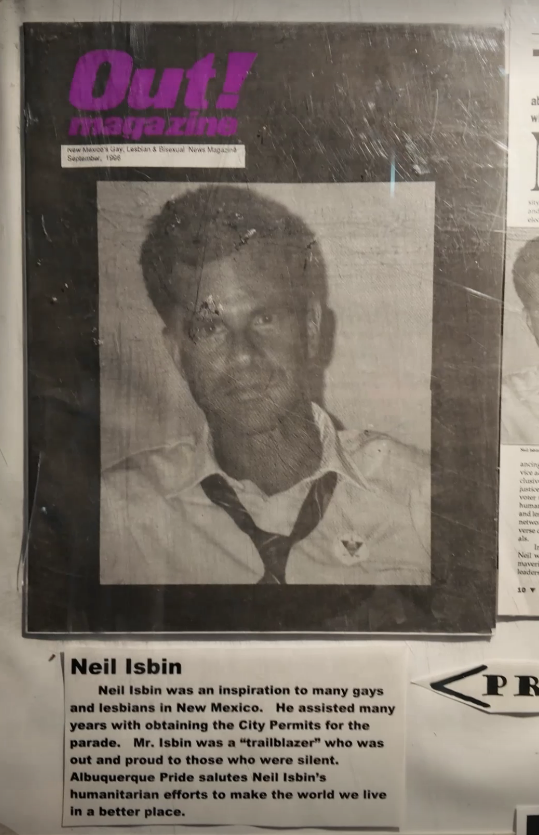
The gentleman up there, his name is Neil Isbin, he was my mentor. He's the one that got me started on this. He passed away from AIDS in 1996. He always used to do the [ABQ Pride] parade, and he showed me how to do the parade, how to get the paperwork, when to start. [When] I had just been hired as a teacher and I went to him and I said, 'Could I be fired for [being gay] as a teacher with APS? (Albuquerque Public Schools)' and of course, he said, 'Let me look into it.' He came back and said, 'Yes, you can.' And he said, "We'll do something about it. I want you to wear your best suit and tie. We're gonna go to an APS school board meeting." He said, 'Talk about your story. Say whatever you wanna say about how you feel, that you might be scared, whatever that is, and let me do the rest.' So I told my story. He then came forward and said, 'We need to now vote on this, the APS school board, to have non-discrimination for sexual orientation for all teachers.' And it was approved in 1996... Gender identity came into acceptance from APS for all teachers two years later. Which was '98, very much ahead of its time.
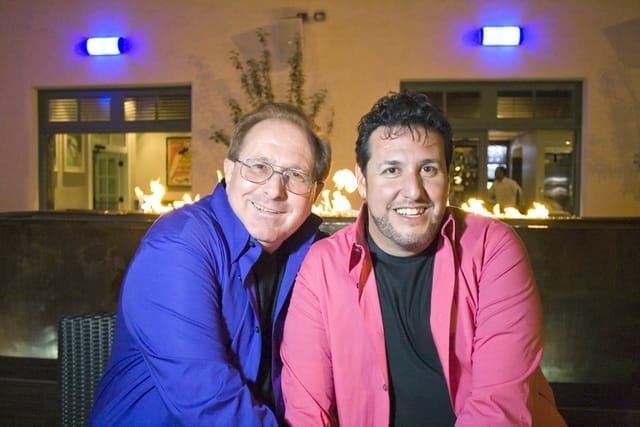
Tony and I, my husband of 33 years, we decided then (in the 90s)... Well, I would go every year to APS to try to fight and get domestic partnership benefits. And for years they would say, 'No, teachers, we don't offer them. You can't get them.' One year, I changed the forms, and the (APS) lady said, 'You know, we can arrest you for that.' I said, 'Call the police. Call. Just call the police.' So, in 2003, Tony and I went to Canada to get married because it was illegal here in the United States still. We came back, and I went to open enrollment for Albuquerque Public Schools. You know, they said, 'Well, we can offer you domestic partnership benefits.' They already knew that I was gonna say that. But I said, 'No, I want full spousal benefits.' And they said, 'Well, we'll talk to our legal (team) and we'll get back to you.' And so, they called back in three days after I told my story on the news. And, I said, 'Well, you know what? I need to talk to legal.' I had no legal (team) but if they made me wait three days, I was gonna make them wait for three days. So we waited, and then we met with them. We signed our paperwork, and we were the first actual couple to get full spousal benefits, in the United States from a public school system.
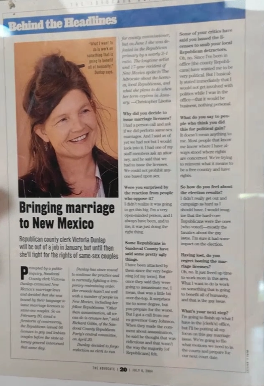
This is from the Sandoval 64. This was the county clerk, that was the first 64 (queer) people to be issued wedding licenses in New Mexico. The county clerk said, 'We don't have a Defense of Marriage Act,' so she made that announcement, and people raced there. That's where both reverends from the Emmanuel Metropolitan Community Church and Metropolitan Community Church went there so that they could officiate. 64 actually were married, and they stopped it dead in the tracks.
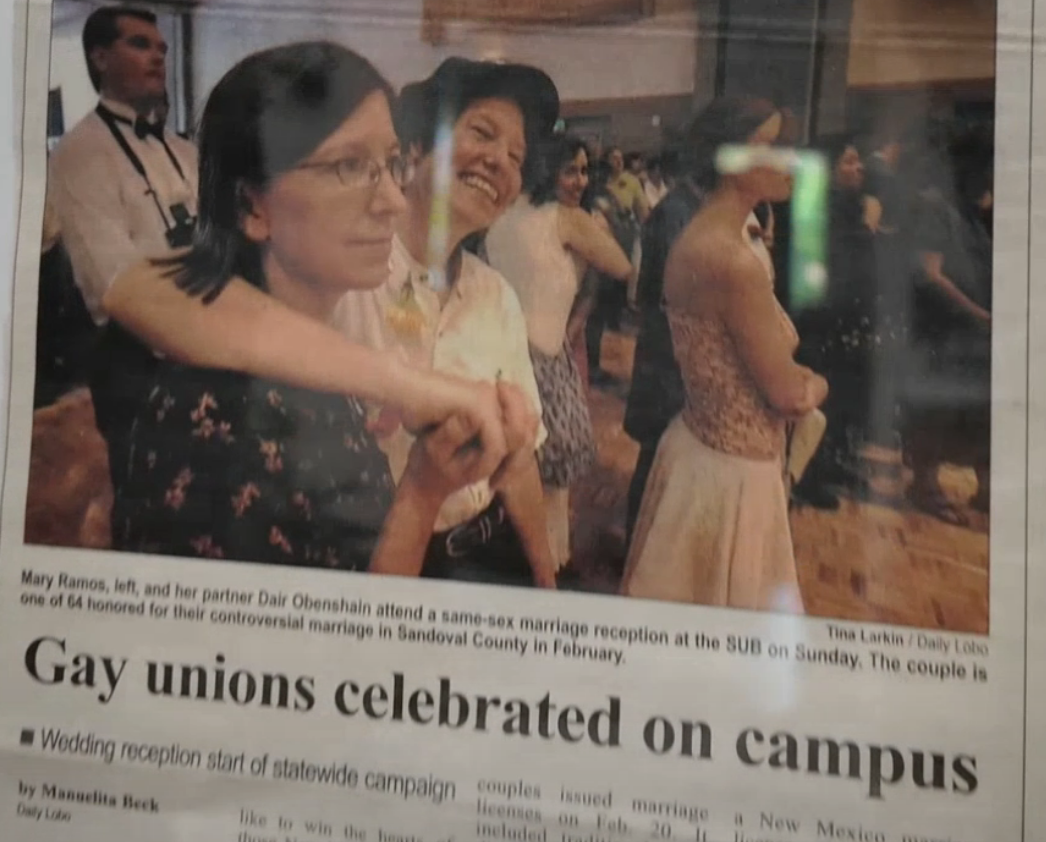
"The Sandoval 64" is considered a stepping stone for "marriage equality" in the USA, which came eleven years later in 2015. (Note: July is Disability Pride month. True marriage equality does not exist until disabled folks can also marry without detriment.) Every step forward is a good step, but that does not eliminate discrimination, especially for folks who don't culturally participate in heteronormativity.
Pre-Colonial Land of Enchantment Famous LGBTQ+ Person
The Land of Enchantment has long since been my home, and we have extensive queer history here that includes non-binary people. In his book "Embraced or Excluded? Fact & Fiction of Famous LGBTQ+ Persons" created for gifted children, Sedillo tells the story of a member of the A:Shiwi people known as We'wha.
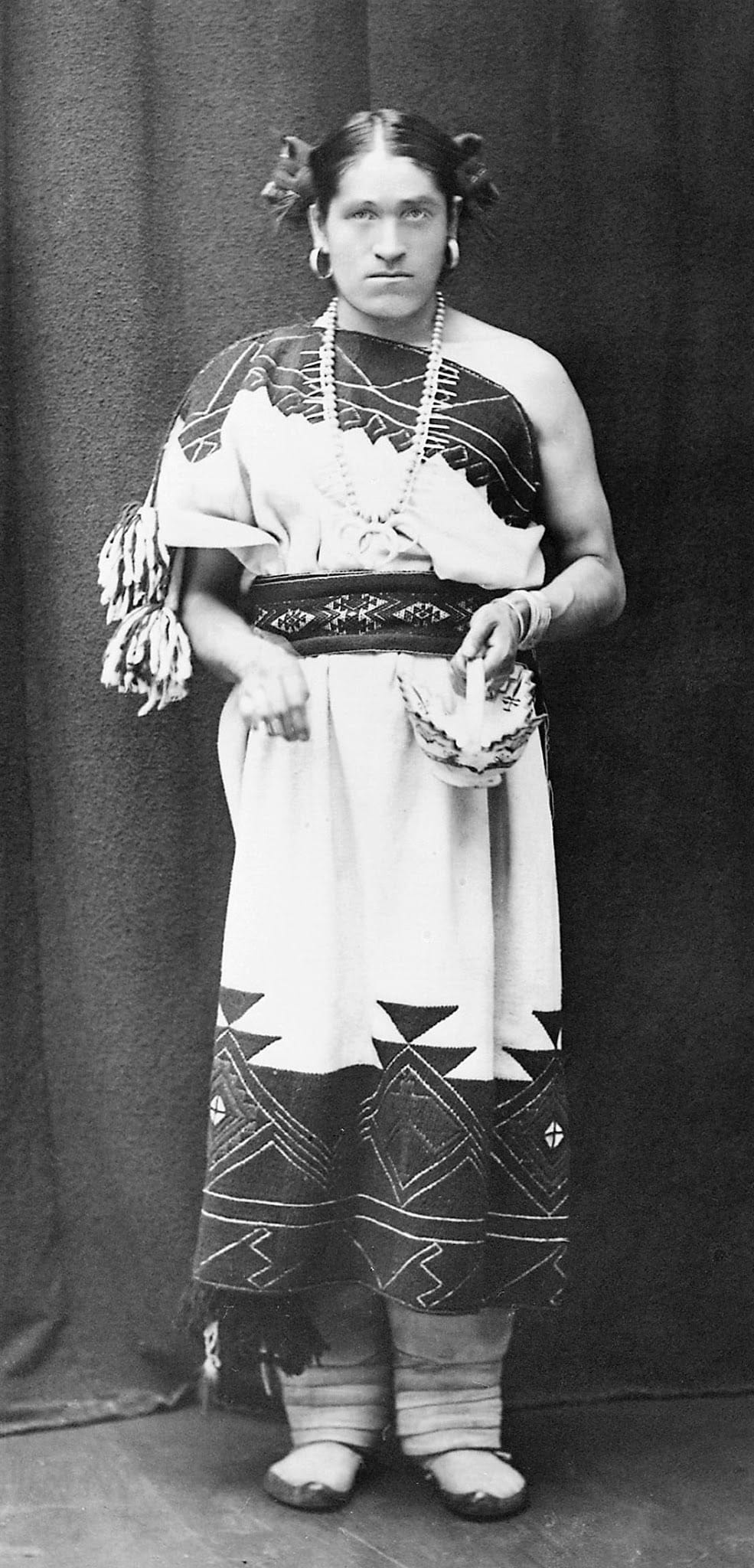
So this is We'wha. "We'wha preferred to use the pronouns she, her, or hers." Fact or Fiction? Okay. It is fiction. We'wha, born in the Zuni tribe- used they, and was allowed to go into the White House- to meet the president, and at that time, women were not allowed to go. They had let We'wha go in because they were neither male or female. So it didn't break the rule because We'wha was not a woman.
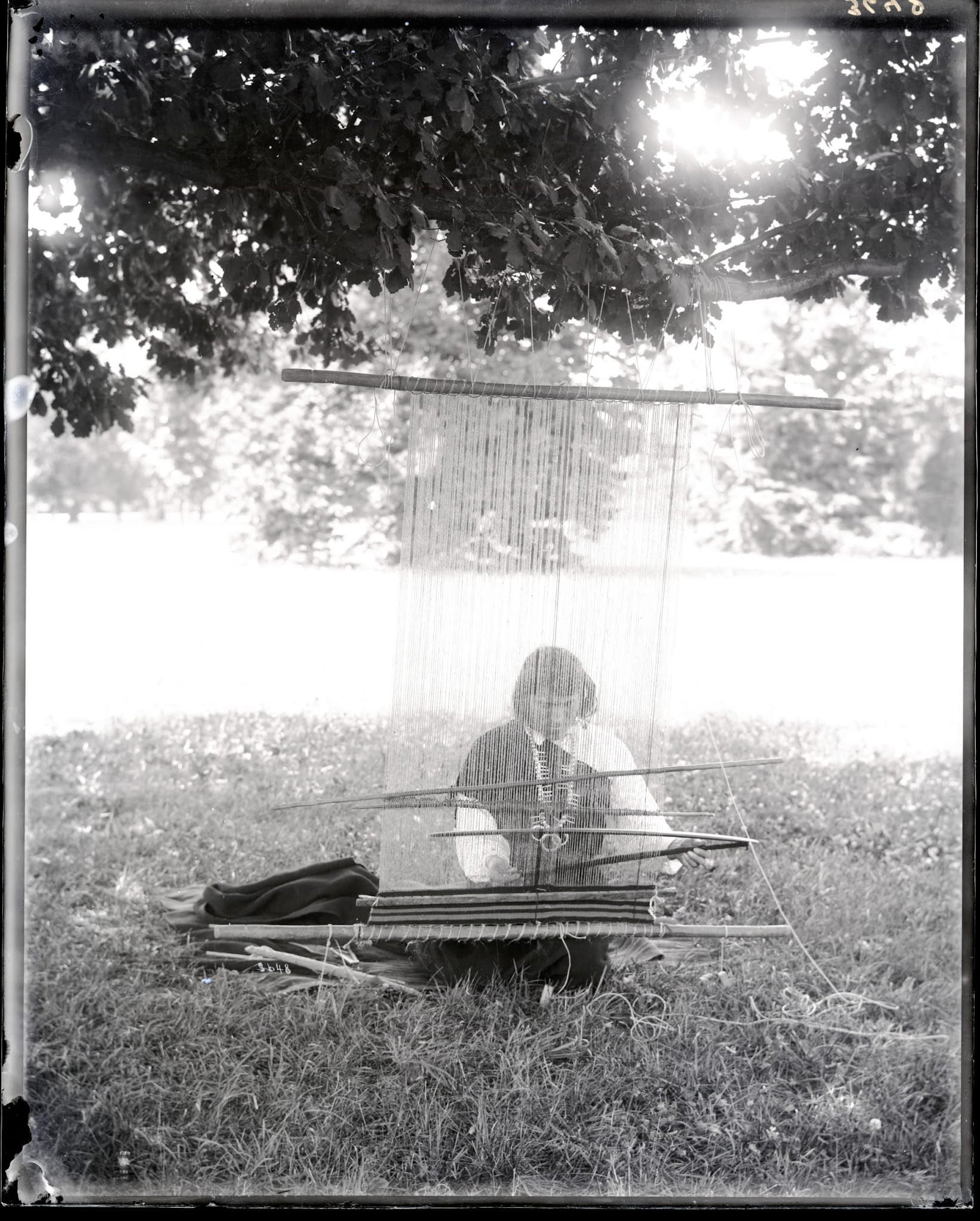
They were an artist born in the Zuni tribe around 1848 in what would become New Mexico, and went on to meet President Grover Cleveland as an ambassador for their people. We'wha was incredible, and they were neither the first nor the last person who did not fit into the colonial concept of the gender binary. They would have fallen under the LGBTQ+ umbrella.
How does that Q show up differently now?
Well, the word queer itself is a synonym for particular. Queer has been used since the 1500s to define things or behaviors that are a bit different than the norm. It has been somewhat neutral for the majority of its existence, and wasn't considered a slur until the late 1900s. Cinema portrayed queer folks from its very beginning until the 1930s when the Hays Code created rules against explicit portrayal of homosexual or "gender non-confirming" characters in film, and thus "Queer-Coding" was born. Some of history's greatest love stories became friendships on screen, and tropes like the effeminate villain became deeply established in our cultural vernacular. Here’s a video essay from The Take that goes into significantly more detail about queer-coding.
"The Queer Series"
Having access to these parts of our history can help us know more about ourselves as New Mexicans, and as individuals. As we continue this Queer Series for 505OMATIC, we'll continue to touch on our history and our future. We'll continue to use whatever terms folks self identify with first, and queer for anyone or any group under the LGBTQIA+/Alphabet Mafia umbrella generally.
People have been here for at least twenty centuries, some of these concepts considered "normative" now are fairly recent additions to these lands. Like We'wha, if non-binary were to use he or she pronouns it would be a disingenuous misrepresentation. I'm here, I'm queer, I'm a New Mexican, and it matters.
Thanks for tuning in and asking questions! Subscribe and share, we'll see you again soon.
Since this is my first blog post, let me talk a moment to introduce myself, Your Friendly Neighborhood Non-binary Reporter Julian. The first real steps towards becoming myself were taken my senior year of high school in Las Cruces, and came out when I moved to Albuquerque in the late 90s. In my ~22 years as a Burqueño, as I grew and participated in the various "scenes" I became an active performer and producer myself, served as a titleholder (here's a link to an anniversary speech from earlier this year), educator, consent culture activist and was part of a few teams that brought various events and happenings to the 505 and beyond. Some of y'all might remember me from work I did with the Weekly Alibi newspaper (RIP). I moved up to Santa Fe a few years ago, I'm a working artist in the DL Collective and I'm excited to be formally working with 505OMATIC as a reporter and blogger.